Can solo travelers get private rooms? Yes, but a private room on a Kenya safari is not the same as a standard hotel room. Most safari camps price their rooms for two people. A solo guest usually pays a single supplement. You get privacy, but you pay for the extra space. This post explains five Kenya options, what they cost, and how to book one without surprises.
Can Solo Travelers Get Private Rooms on Safari?
Yes, solo travelers can usually book a private room or tent on a Kenya safari, provided the camp has availability. The booking is normally priced per person plus a single supplement, because the traveler occupies accommodation designed for two guests. Some small camps offer genuine single rooms, but most provide a private double or twin unit for one person.
This answer applies to both lodges and tented camps. In places like Amboseli National Park, many mid-range camps have rooms with two beds. You can ask for single occupancy, and the camp will confirm if a unit is free.
Availability is the main limit. A small camp with 12 tents may only have one spare room on a given night. A larger lodge outside Lake Nakuru National Park often has more flexibility. Book early if your dates are fixed.
Here are five parks where solo travelers commonly book private rooms. Drive times are approximate. Fees are for non-resident adults.
| Park | Approx drive from Nairobi | Non-resident fee per adult/day | Solo room reality |
|---|---|---|---|
| Masai Mara National Reserve | 5 to 6 hours via Narok | USD 100 Jan-Jun; USD 200 Jul-Dec | Private tents and cottage rooms; reserve is run by Narok County, not KWS. |
| Amboseli National Park | 4 hours | USD 90 | Mid-range camps near Kimana Gate accept solo bookings; ask for a tent with ensuite bathroom. |
| Lake Nakuru National Park | 2.5 to 3 hours | USD 90 | Lodges around the lake have private rooms; good for a short add-on. |
| Tsavo East and Tsavo West | 4.5 to 5 hours | USD 80 | Budget bandas and tented camps; simpler facilities and fewer crowds. |
| Chyulu Hills National Park | 3.5 hours | USD 40 | Quiet tented camps; private tents possible, but verify bathroom and power. |
The table shows one clear pattern. Park fees are separate from accommodation. Your room quote will include lodging, meals, and often transport, but not park entrance. Always compare full package prices.
How Single Supplements Work for Private Safari Rooms
A single supplement is the extra amount charged when one traveler uses accommodation priced for two people. On a Kenya safari, it commonly adds about 20% to 50% to the per-person lodging cost, although luxury camps and peak dates can be higher. Ask for the supplement as a separate line item before paying the deposit.
Say a mid-range camp quotes USD 200 per person per night for a shared twin. With a 30% supplement, the solo rate might be USD 260 per night. This is a common example, not a fixed quote. The percentage depends on the camp, season, and room size.
The term single supplement safari can confuse first-time visitors. It is not a penalty for traveling alone. It is a simple pricing tool. The camp still needs to cover the same room cost, but only one guest is paying for it.
Conservancy fees work differently. In places like Naboisho or Mara North Conservancy, the nightly camp rate often includes the conservancy fee. That bundled rate is roughly USD 80 to 150 per person per night before the supplement. This range is an estimate. Ask for the current rate when you book.
The Masai Mara National Reserve has a separate entry fee set by Narok County Government, not KWS. It costs USD 100 from January to June and USD 200 from July to December. That is a major cost in peak migration season. For a full cost breakdown, see our latest Maasai Mara safari prices.
Single Tents Versus Private Rooms at Safari Camps
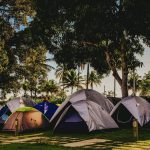
A single tent means the traveler sleeps alone in a tented unit, while a private room usually means exclusive use of a lodge room, cottage, or tent with its own bathroom. In Kenya, many camps call all accommodation rooms even when the structure is canvas. Confirm the bed, bathroom, occupancy, and whether the unit is standalone before booking.
The difference matters for budgeting. A private safari tent at a bush camp in the Mara can cost the same as a private room at a stone lodge. Yet the facilities may differ. The tent may have a bucket shower and a shared dining tent. The lodge room may have a flush toilet and a veranda with a view.
Ask about the label private safari tent. Some camps use it for a tent that shares a bathroom block with other guests. That is not a true private room. If you want an ensuite private safari tent, say so in your first message. For a deeper look, see our guide to single tents for solo travelers.
What Private Safari Rooms Include
Most private safari rooms include an exclusive sleeping space, beds, mosquito protection, electricity or charging access, and a private bathroom, but facilities vary by camp. Some have hot showers, verandas, Wi-Fi, and full-time power; others use solar power, bucket showers, or shared dining areas. Request the camp’s room specification rather than relying on the word private.
In Amboseli, a safari camp private room may have a permanent roof and a proper ensuite. In Chyulu Hills, a similar room might be a walk-in tent with solar lighting and a simple chemical toilet. Kenya safari accommodation follows a scale. Budget bandas often share bathroom blocks. Mid-range camps offer private bathrooms. Luxury rooms add hot water, stable Wi-Fi, and power at night.
Before booking, ask five questions. Is the bathroom ensuite? Is it flush or bucket? Is power available at night? How many beds are in the unit? Is it standalone or attached to the main building? The answers change the value of the price.
How to Book a Private Room as a Solo Traveler
Request single occupancy when asking for a safari quote and have the operator list the room category, single supplement, and cancellation terms in writing. Booking several months ahead improves the chance of securing a private unit, especially during peak Maasai Mara migration months. Reconfirm the reservation directly with the camp before departure.
This advice applies to every solo Kenya safari, whether you join a group or travel alone. Ask for a single occupancy safari quote. The operator should show exactly which nights are single and which may be shared.
If your dates are flexible, look at Kenya shoulder-season safari prices before confirming. Shoulder months often have lower camp rates and fewer guests. That combination makes a private room easier to secure.
Peak migration months in the Mara are July through October. Many camps sell out. A private room is harder to find then. Book four to six months ahead, or accept a shared twin on those exact nights. Reconfirm your booking at least 48 hours before arrival.
When Sharing Accommodation Can Reduce Safari Costs
Sharing a twin or double room is usually the least expensive option because the accommodation cost is divided between two travelers. Solo guests can sometimes avoid the supplement through roommate matching, a small-group departure, or a lower-cost camp. Compare the total solo price with a shared departure, because a cheaper camp with a private room may beat a premium camp’s supplement.
Budget backpackers often ask if joining a group is cheaper than a private room. Usually yes. On a group-joining camping safari, the shared rate may be USD 100 to 200 per person per night. A private room at the same camp may add 20% to 50%. The real decision is whether privacy is worth that extra cost.
Roommate matching can reduce costs. Some small-group departures pair solo travelers in twin rooms. If both agree, neither pays a supplement. This requires flexibility and a departure with an even number of solo guests.
The full quote matters. A private room at a mid-range camp in Amboseli may cost less than a shared room at a luxury camp outside the Masai Mara. Compare every line: park fees, meals, transport, and supplements. A cheaper camp with a private room can be the smartest choice.
The SafariPure Difference
SafariPure plans trips around how you want to sleep, travel, and spend. We do not assume that solo travelers want to share a room. We quote private rooms and tents as clear line items, including the supplement. You can compare options before you pay a deposit.
With local guides and field knowledge, we can match a private room to your budget. If a private tent makes more sense than a lodge room, we will say so. If sharing a twin reduces the trip cost by 30%, you will see that number too. The goal is an honest Kenya safari, not a sales pitch.
Frequently Asked Questions
Can solo travelers get private rooms on safari?
Yes. Most Kenya safari camps can reserve a private room or tent for one traveler, but the traveler usually pays a single supplement because the unit is priced for two occupants. Availability is limited at small camps, so request single occupancy when booking.
How much is a single supplement for a safari?
A Kenya safari single supplement often adds roughly 20% to 50% to the shared per-person rate, with luxury camps and peak seasons sometimes charging more. The exact amount depends on the camp, room category, dates, and whether transport costs are also calculated for one traveler.
Can I get my own room on a group safari?
Usually, yes, if the group tour allows single occupancy and the camp has a spare unit. You will normally pay a single-room fee, although some departures match solo travelers with roommates or occasionally waive the supplement. Confirm the policy for every overnight stop, not just the first camp.
Are private rooms cheaper than sharing on safari?
No, sharing is generally cheaper because two travelers divide the accommodation cost. However, a private room at a mid-range camp can cost less overall than sharing at a luxury camp. Compare the complete quote, including park fees, meals, transport, and the single supplement.
Can solo travelers book a private tent?
Yes, many Kenya camps accept solo bookings for private tented units. A private tent normally includes exclusive use of the sleeping area and bathroom, but it may still attract a single supplement. Ask whether the tent is standalone and whether its bathroom is ensuite or shared.
Plan Your Private Room Safari with SafariPure
The short answer remains yes. Solo travelers can get private rooms in Kenya. You just need to request it early, compare the full cost, and choose the right park for your dates. SafariPure can build that trip with you. Reach out through our contact page when you are ready to start.